
Rory McIlroy at Augusta: A Different Kind of Control
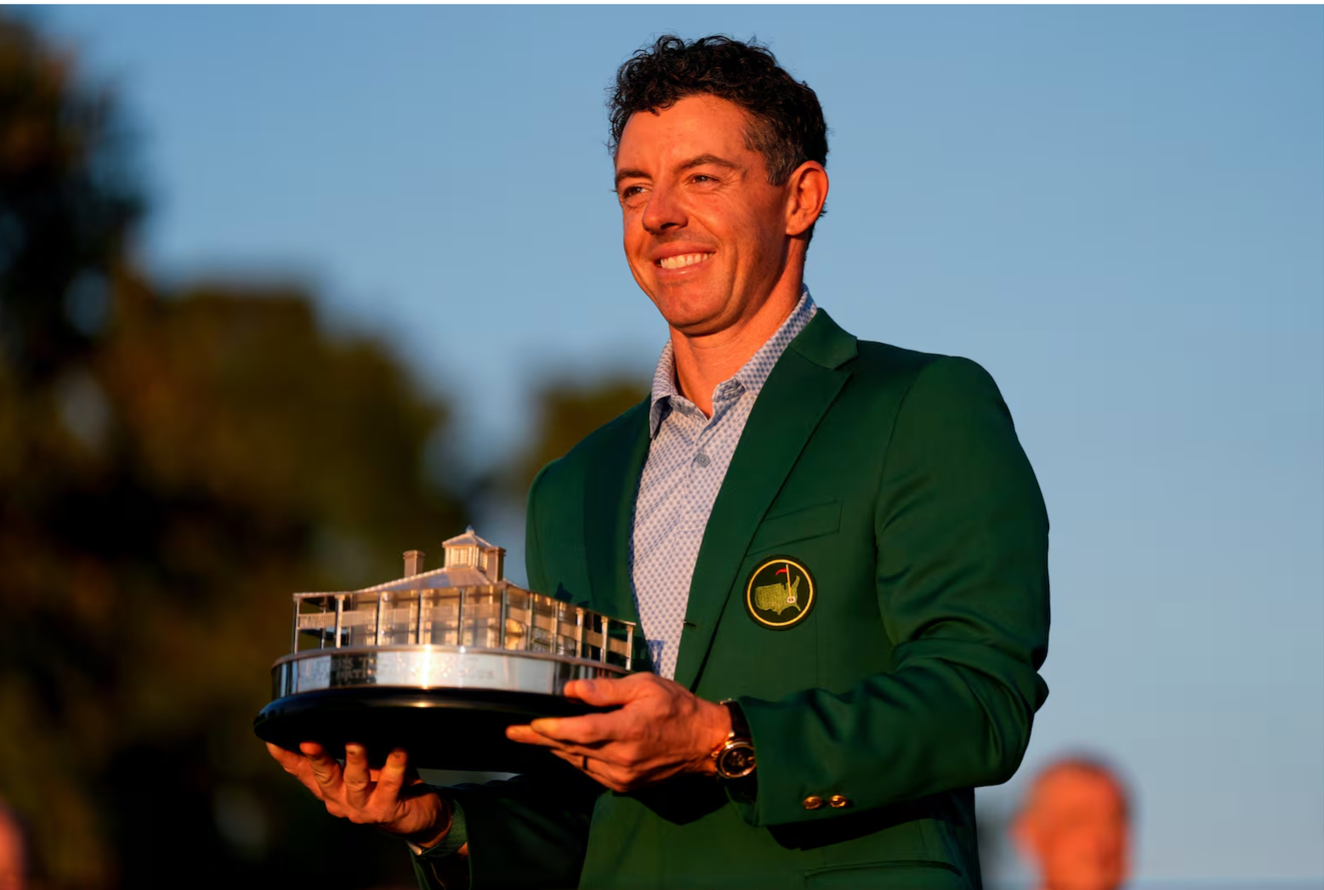
When Rory McIlroy finally closed it out for the second time at The Masters, it didn’t feel like a win built on overwhelming brilliance. It felt like one built on understanding.
For years, Augusta had asked him the same question in different ways. Could he stay patient enough? Could he resist forcing moments that weren’t there? Could he trust that the tournament would come to him rather than trying to chase it?
This time, he answered all of those without saying a word.
There’s a quiet discipline to Augusta National. It doesn’t reward constant aggression. It rewards awareness. Knowing when to attack, but more importantly, knowing when not to. McIlroy’s week unfolded with that rhythm. He didn’t try to make something happen on every hole. He let the course dictate where opportunities existed, and when they did, he took them fully.
● Par 5 scoring: -10
● Par 4 scoring: -1
● Par 3 scoring: -1
It’s a simple breakdown, but it captures the entire strategy. He didn’t spread his energy across the course. He invested it in the right places.
What stood out even more was how complete the performance felt. There wasn’t a single part of his game carrying the others. Everything contributed consistently.
● SG Total: +3.55
● Off the Tee: +0.92
● Approach: +0.66
● Short Game: +1.39
● Putting: +0.59
The short game, in particular, made a difference. Augusta will always demand recovery at some point, and this time, those moments didn’t turn into dropped shots. They became stabilizers.
If you watched closely, the defining moments weren’t dramatic. They were subtle. A shot played safely to the middle of the green instead of chasing a pin. A par that was accepted without frustration. A reset after a slight miss instead of compounding it.
That’s where this win separated itself from the past. In previous years, those same moments often felt rushed, like the tournament was slipping away. This time, there was no urgency to force anything back. The patience held.
The scoring reflects that shift. The toughest holes at Augusta didn’t become opportunities, and that was exactly the point. They became places to stay steady, to avoid giving anything away, and to wait for the next opening. And when those openings came, particularly on the par 5s, he capitalized fully.
This wasn’t McIlroy at his most explosive. It was McIlroy at his most composed. Every decision felt measured. Every shot had intent behind it. Over four rounds, that approach built toward -12, not through bursts, but through accumulation.
From a performance perspective, this is where the game becomes interesting. Not in the obvious strengths, but in how clearly a player understands their scoring patterns. That clarity is what makes performance sustainable. It’s what allows good golf to show up over and over again, not just in moments, but across an entire week.